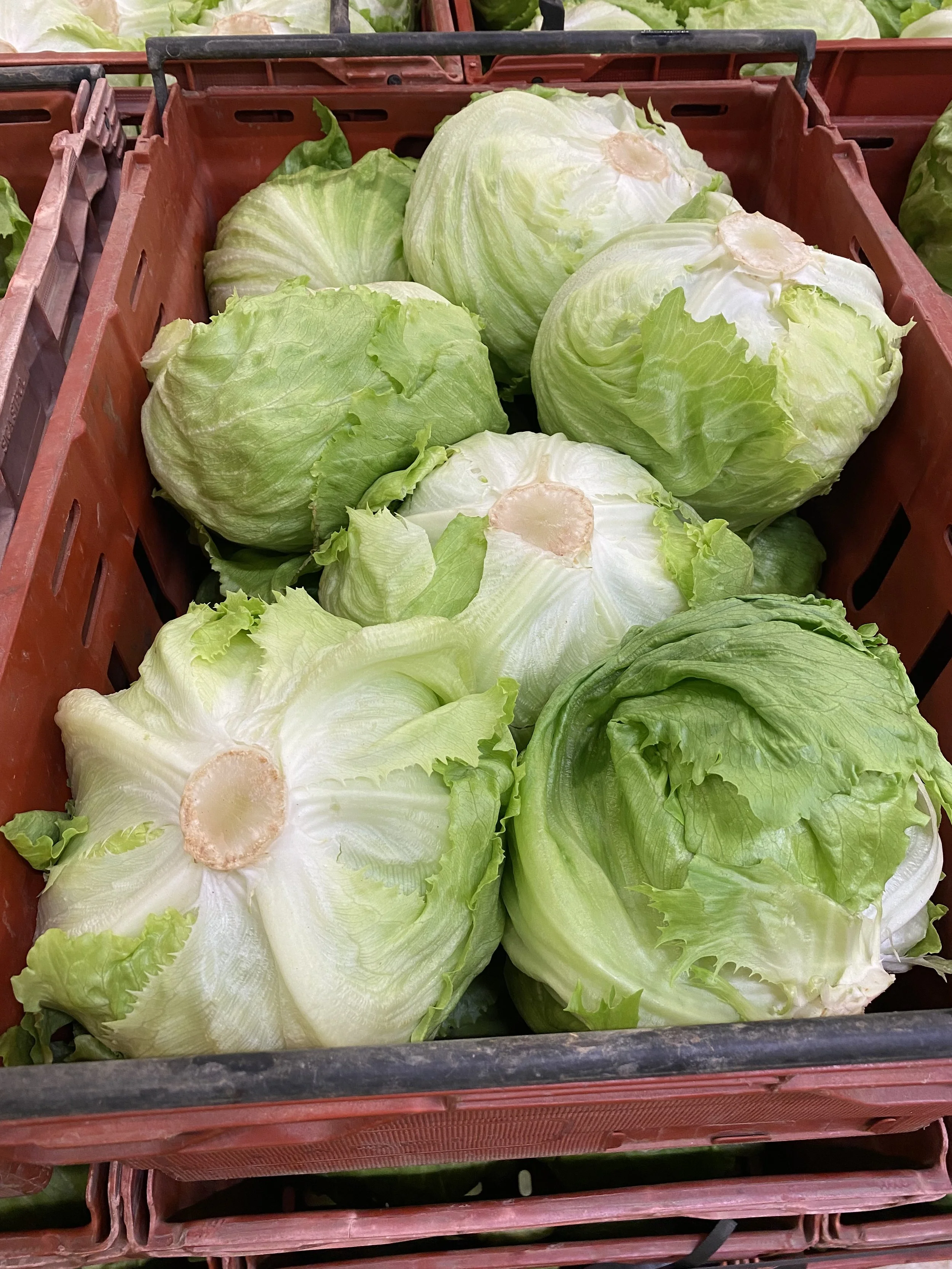
The Most Expensive Waste In Your Factory
Is Probably The One You Don't Measure
Most processors know exactly what they pay for a lettuce.
Far fewer know exactly how much value they recover from it.
That may sound surprising in an industry built around efficiency, throughput and margins. Yet some of the largest opportunities in fresh produce processing are often hidden within processes that have become so familiar they are no longer questioned.
A little extra trim.
A slightly deeper cut.
A variation between operators.
A process that performs differently from one shift to the next.
Individually, these things appear insignificant.
Collectively, they can represent tonnes of lost product and hundreds of thousands in lost value over the course of a season.
The challenge is that most of these losses don't arrive with a warning sign. They simply become accepted.
The Costs We See And The Costs We Don't
Every processing business tracks visible costs.
Labour appears on payroll reports.
Energy appears on utility bills.
Packaging arrives on invoices.
These costs are easy to identify because they are highly visible.
Yield loss behaves differently.
Yield loss rarely generates an invoice.
It doesn't appear as a separate line item.
It simply never becomes product.
That makes it one of the most difficult costs to fully appreciate.
When processors focus exclusively on labour savings, they can overlook a much larger opportunity sitting on the conveyor every day.
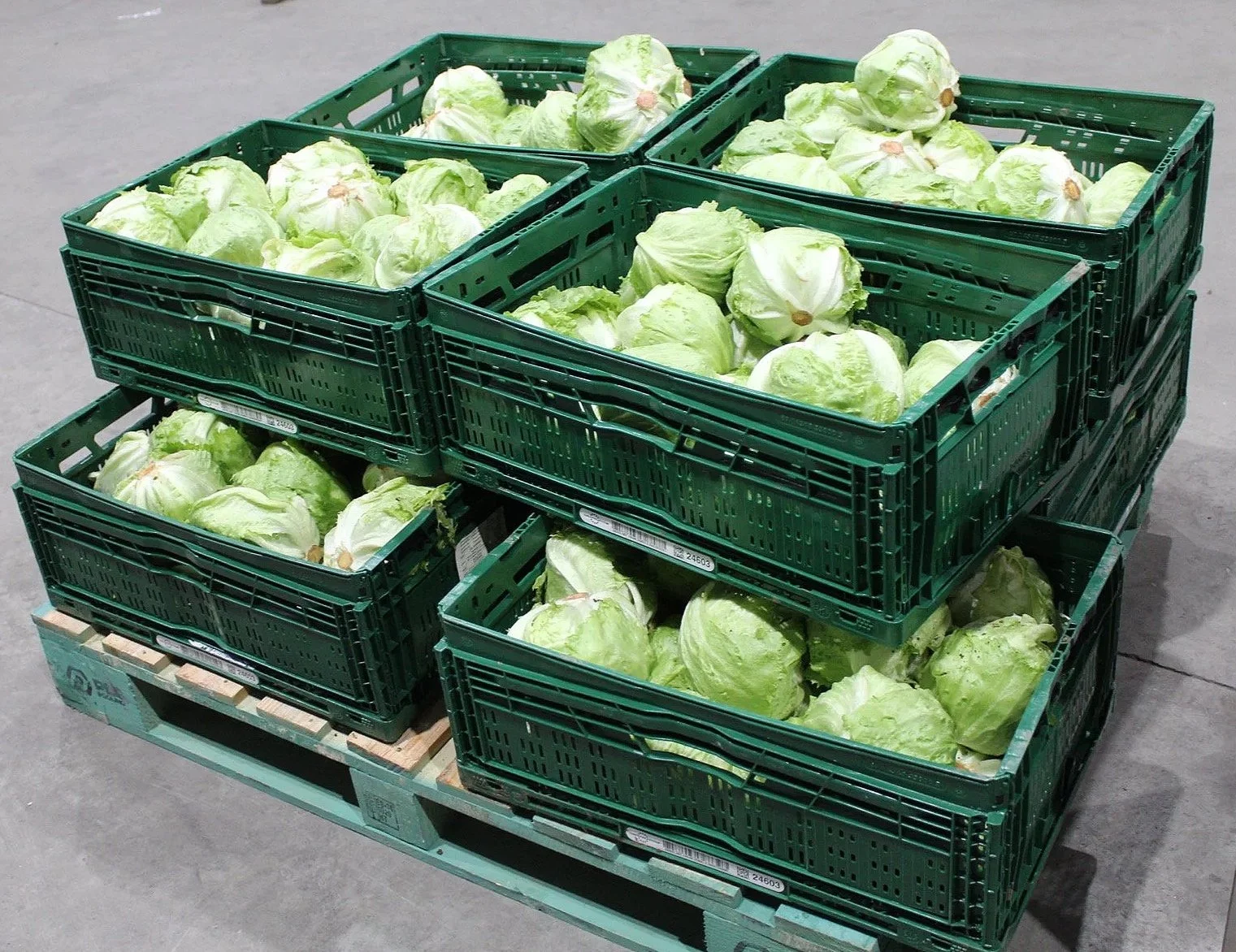
Why Small Decisions Matter
Fresh produce processing is a game of repetition.
The same task is performed thousands of times every shift.
The same crop passes through the same process.
The same decisions are made over and over again.
This is why seemingly small differences can have a surprisingly large impact.
Imagine an operator removing just a little more product than necessary during de-coring.
The intention is usually positive, they want to ensure the core is fully removed.
They want to avoid complaints, and maintain quality.
The issue is not the decision itself, the issue is repetition.
A few extra millimetres removed from one lettuce is meaningless.
The same extra millimetres removed from millions of lettuces becomes a substantial amount of saleable product that never reaches the customer.
The loss is not dramatic in isolation, It is repetitive - And repetitive losses are often the most expensive.
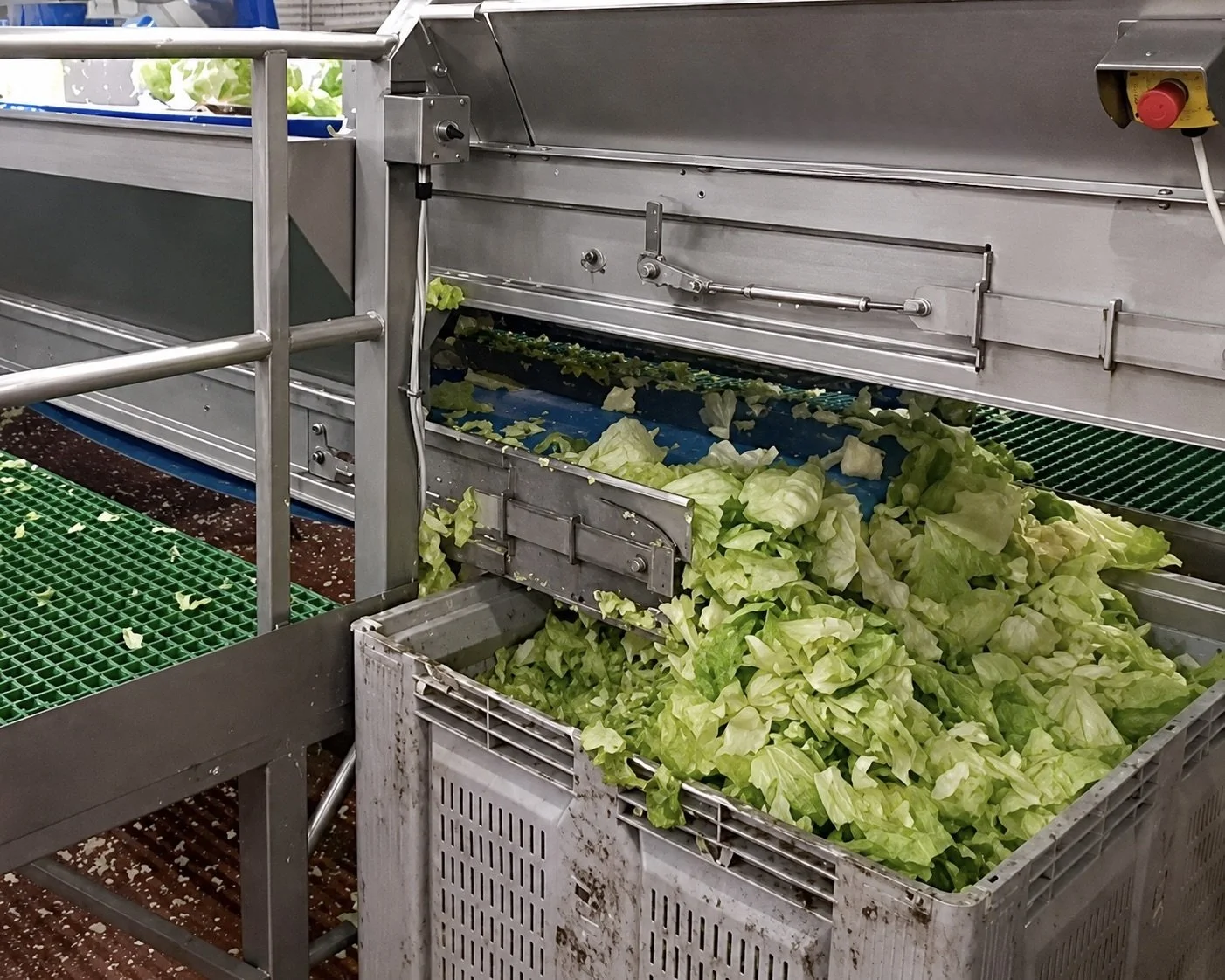
Operators removing just a little more product than necessary during de-coring
The Difference Between Throughput And Value Recovery
Many processing operations are designed around throughput.
How many units can be processed per hour?
How quickly can product move through the line?
How many operators are required?
These are important questions.
But they are not the only questions.
A line can be running at full speed while still removing more product than necessary.
A line can be achieving production targets while quietly sacrificing yield.
This distinction matters.
Processing product is not the same as recovering maximum value from product.
The most profitable operations understand both.
Why Consistency Is Often More Important Than Speed
Consistency rarely receives the same attention as speed, speed is important….
Yet consistency is one of the biggest drivers of long-term profitability - You need both.
Two operators can process the same crop.
The same day. At the same speed.
And still produce different results.
Different yields.
Different waste volumes.
Different product quality outcomes.
Over a single shift, the impact may appear small.
Over a year, the impact compounds.
Consistency creates predictability.
Predictable yields support better planning.
Better planning supports stronger margins.
The processors that consistently outperform their competitors are often the ones that reduce variation while increasing speed.
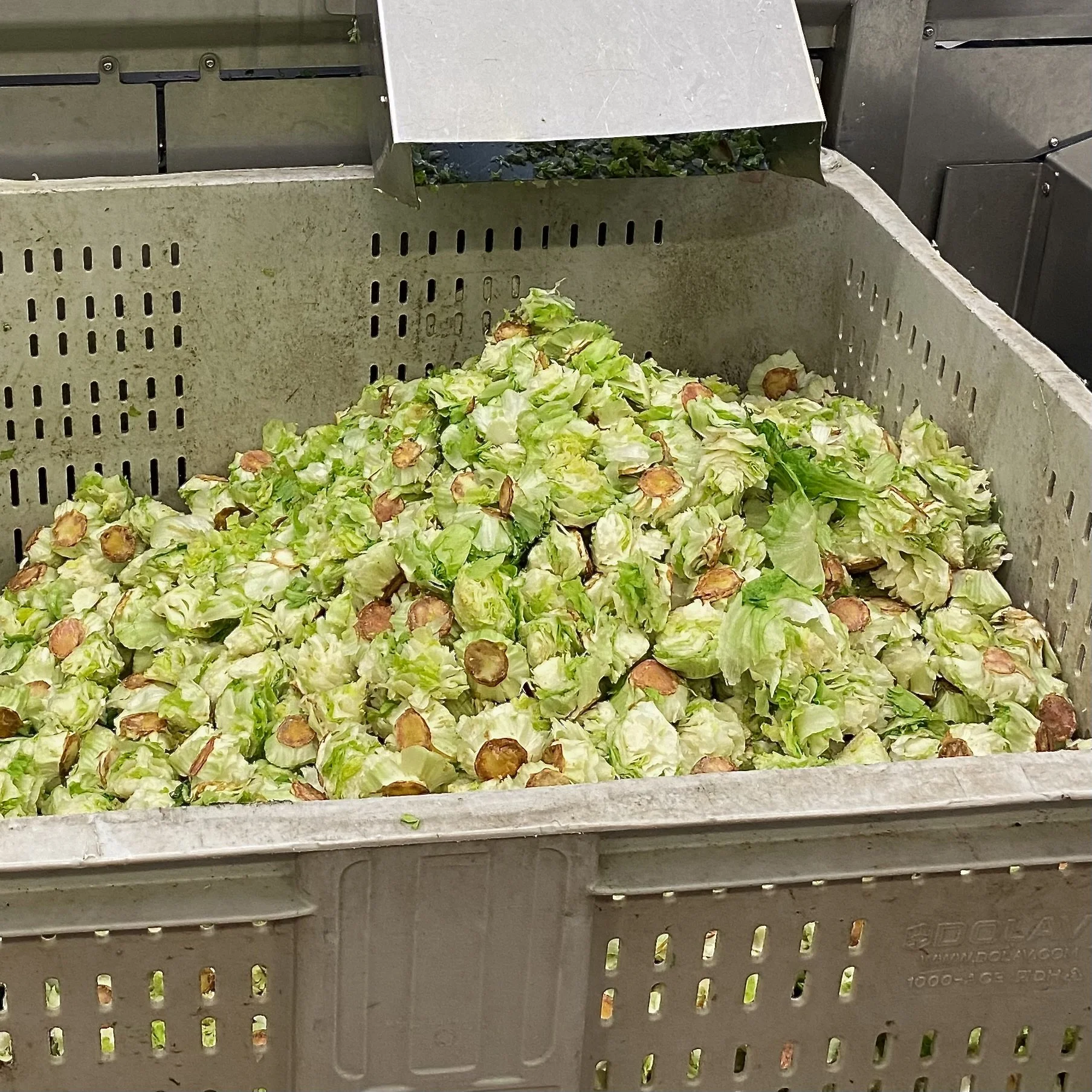
High yield through reduced variation while increasing speed.
The Hidden Link Between Yield And Shelf Life
Yield is not the only consideration.
The quality of the cut matters too.
Fresh produce begins changing from the moment it is processed.
Every cut creates exposed surfaces.
Every handling stage introduces variability.
Every delay between processing and cooling creates opportunity for deterioration.
This is why consistency matters beyond simple product recovery.
A clean, repeatable process helps maintain product quality.
It supports more predictable outcomes.
It reduces unnecessary handling and variation.
For processors focused on supplying demanding retail and foodservice markets, these details become increasingly important.
The Labour Conversation
Automation discussions often begin with labour.
That makes sense.
Labour availability remains one of the biggest challenges facing food processors.
However, labour is only one part of the equation.
The larger opportunity often lies elsewhere.
Consistency.
Yield.
Quality.
Predictability.
These are the factors that influence profitability long after a labour saving has been achieved.
The best automation projects are not simply labour reduction projects.
They are value recovery projects.
What The Best Processors Do Differently
The highest-performing processors tend to share a common characteristic.
They challenge accepted losses.
Instead of asking:
"How quickly can we process product?"
They ask:
"How much value are we recovering from every product we process?"
They measure.
They compare.
They investigate variation.
They look for opportunities hiding within everyday processes.
Most importantly, they recognise that what becomes normal is not always optimal.
Looking At Processing Through A Different Lens
For years, discussions around fresh produce processing have focused on labour, throughput and capacity.
All important topics.
But there is another conversation worth having.
How much value is being protected?
How much value is being lost?
How much of that loss has simply become accepted over time?
Because the greatest opportunities are often not found in the next crop, the next supplier or the next contract.
They are found in the product already moving through the factory today.
Every lettuce arrives with value.
The question is how much of that value ultimately leaves the line.
Because the cut decides how much of it leaves.